
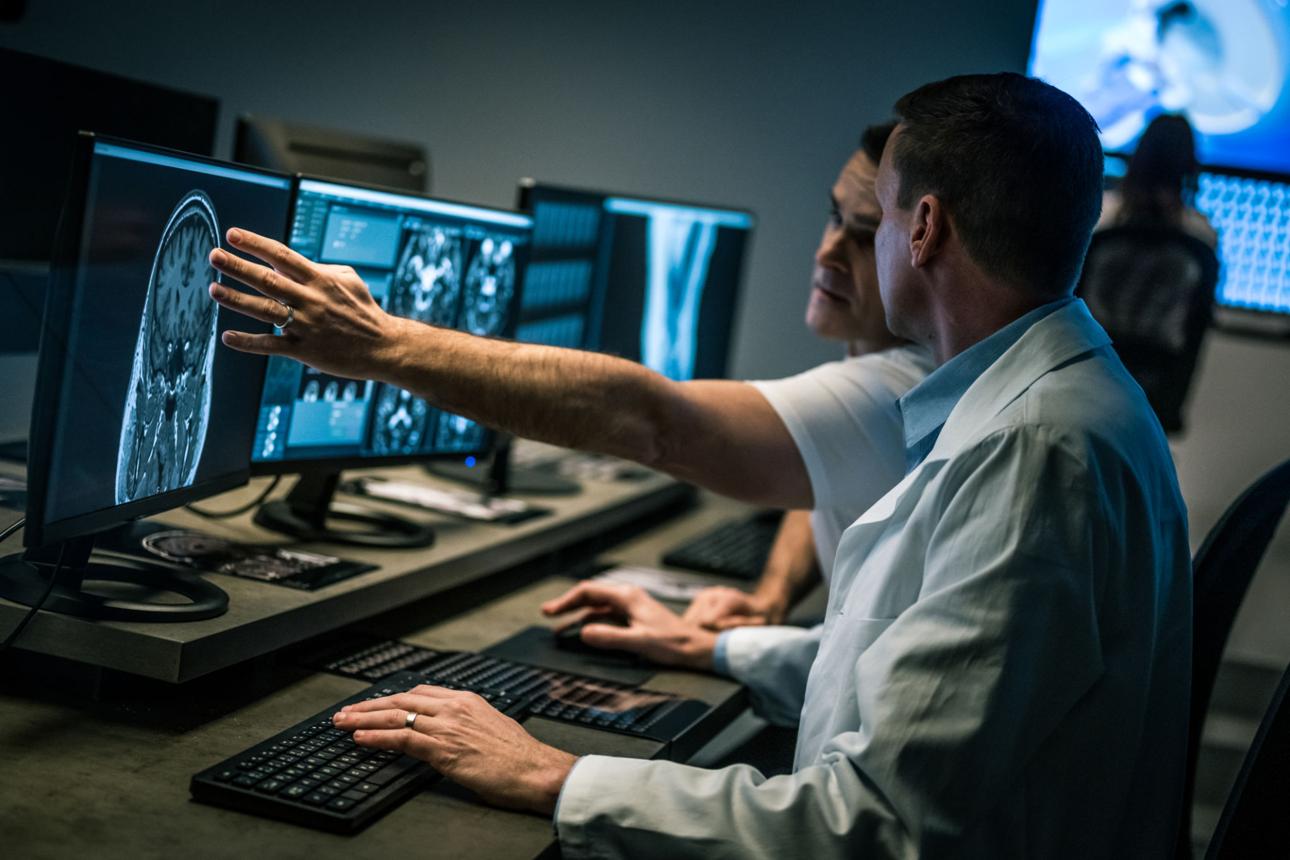
A second opinion isn’t a formality — it’s a clinical intervention. The data on how frequently expert radiology review alters diagnosis and redirects treatment is both compelling and concerning for anyone who has accepted a single imaging interpretation without verification.
The Numbers That Matter
A systematic review of radiology second opinion literature, covering over 5,000 cases, found that clinically significant discrepancies occurred in approximately 23–37% of reviews. Importantly, in roughly one-third of those discrepancies, the change was classified as “major” — meaning the altered interpretation directly changed patient management.
The consequences of these changes span the full spectrum: some patients who were recommended major surgery were found to have benign conditions not requiring intervention. Others who were reassured by a normal report had findings identified on re-review that required urgent treatment.
Pattern Recognition: Discrepancy rates are highest for lesion characterization (benign vs. malignant), staging of known malignancy, and detection of incidental findings — precisely the areas where treatment decisions carry the highest stakes..
How Treatment Plans Actually Change
- From surgery to conservative management: : One of the most impactful types of change — a patient recommended for spinal fusion surgery has an MRI re-read that shows the canal stenosis is moderate rather than severe, and a less invasive procedure is appropriate.
- From observation to urgent intervention: A pulmonary nodule characterized as benign based on morphology is re-assessed and found to have features highly suspicious for early adenocarcinoma — prompting biopsy that confirms resectable stage I lung cancer.
- Re-staging of known cancer: Lymph node involvement may be overlooked in an initial read, under-staging a cancer and leading to inadequate treatment planning. Expert oncological imaging review catches these findings and escalates treatment appropriately.
- Treatment modality change: A finding originally interpreted as a recurrent tumor may be correctly identified as treatment-related changes (pseudoprogression) on expert review — preventing premature abandonment of effective therapy.
Your Role as an Informed Patient
The most effective advocates for their own care are patients who understand that radiology is interpretation — and that interpretation benefits from multiple expert eyes, especially when treatment consequences are significant. Before agreeing to any major medical or surgical intervention based on imaging, asking for a second opinion is not only your right — it is a widely recommended standard of care endorsed by major medical organizations worldwide.